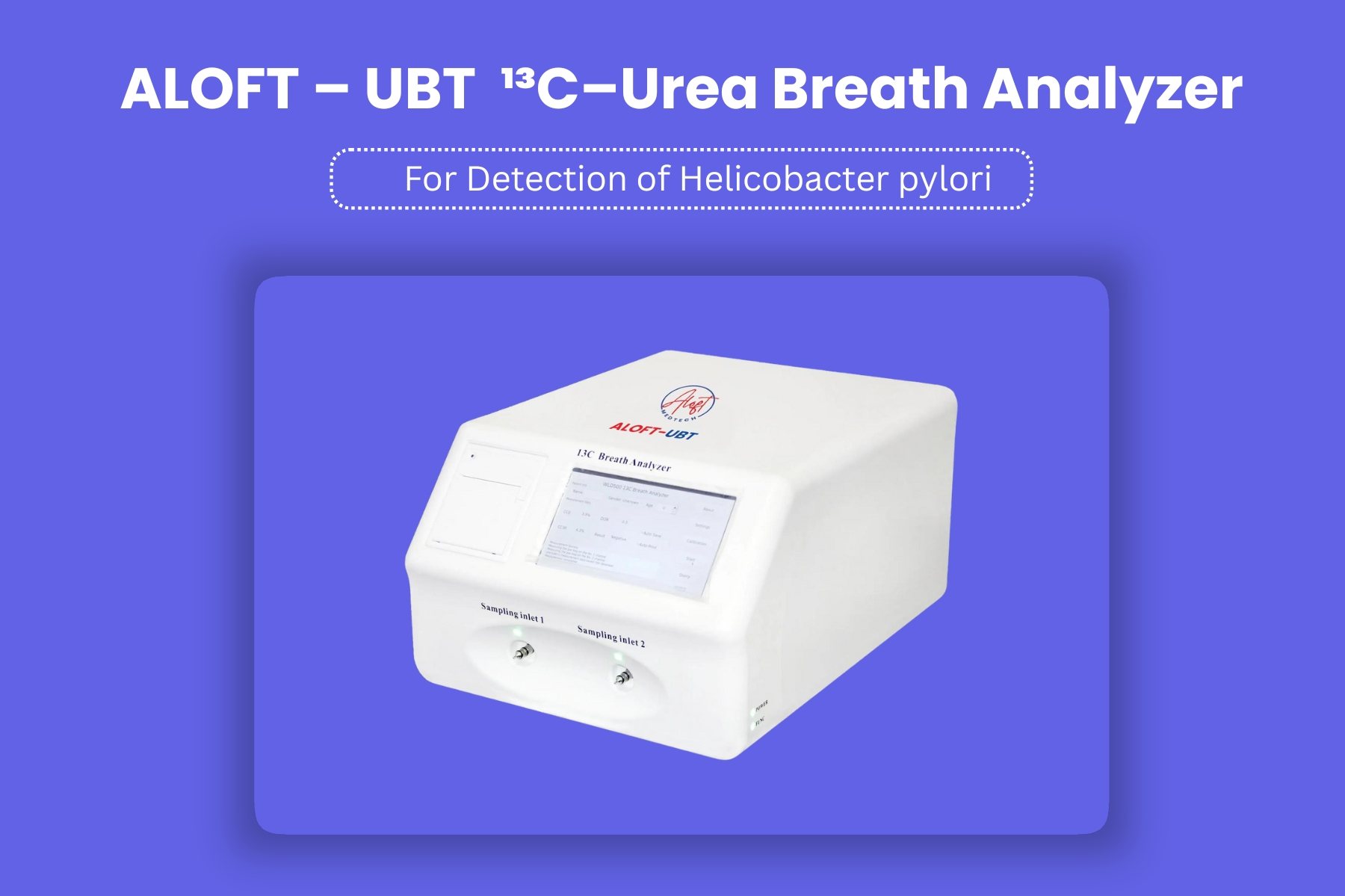

Digestive discomfort is often dismissed as “just acidity,” “gas,” or “something I ate.” But what if the real cause behind persistent stomach issues isn’t food — but an infection silently damaging your digestive system?
Meet H. pylori (Helicobacter pylori) — a microscopic bacterium affecting more than 4.4 billion people worldwide. In India alone, 50–80% of adults may carry the infection, yet most are unaware.
Why?
Because H. pylori rarely shows symptoms early, making it a silent but dangerous threat. When left untreated, it can lead to:
- Chronic gastritis
- Peptic ulcers
- Intestinal inflammation
- Nutrient malabsorption
- And in severe cases — stomach cancer
According to medical research, nearly 70% of gastric cancers are linked to chronic H. pylori infection.
The good news: With modern testing and treatment, this infection can be completely cured—but only if diagnosed in time.
At Aloft MedTech, we believe awareness leads to early action — and early action saves lives.
What Exactly Is H. pylori?
H. pylori is a spiral-shaped bacterium that thrives in the acidic environment of the stomach. Unlike most organisms that are destroyed by stomach acid, H. pylori has evolved to survive by:
- Producing enzymes that neutralize stomach acid
- Hiding beneath the protective mucous layer
- Damaging the stomach lining, creating inflammation
Once settled, it can remain undetected for years, gradually impacting your digestive system.
How Do You Get Infected?
H. pylori spreads primarily through:
- Contaminated food
- Unsafe drinking water
- Sharing utensils with infected individuals
- Close contact such as kissing
- Poor sanitation and hygiene practices
Children are especially vulnerable, making it a household-level infection.
Common Symptoms of H. pylori Infection
Many people show no signs at all, which is what makes the infection dangerous. However, when symptoms do appear, they may include:
| Possible Symptom | Description |
|---|---|
| Stomach pain or burning | Especially on an empty stomach |
| Persistent bloating | Feeling full even after small meals |
| Frequent burping | Especially after eating |
| Loss of appetite | Food feels “heavy” or difficult to digest |
| Unexplained weight loss | Without dieting or lifestyle changes |
| Acid reflux/heartburn | Recurring acidity symptoms |
| Nausea or vomiting | Especially in the morning |
| Dark or bloody stool | A warning sign requiring urgent testing |
If you have been experiencing persistent digestive discomfort for more than two weeks, screening is strongly recommended.
Health Risks of Untreated H. pylori
Ignoring this infection can lead to life-threatening complications over time:
1. Peptic Ulcers
H. pylori weakens the stomach lining, causing open sores that may bleed.
2. Chronic Gastritis
Long-term inflammation disrupts digestion and reduces nutrient absorption.
3. GERD (Acid Reflux)
The bacterium contributes to excess acid production and regurgitation.
4. Stomach Cancer
H. pylori is one of the only known bacterial infections classified as a Group 1 carcinogen by WHO.
5. Nutritional Deficiencies
It can interfere with the absorption of essential vitamins such as:
- Vitamin B12
- Iron
- Folate
This may result in fatigue, anemia, hair loss, and poor immunity.
How H. pylori Affects Your Body Beyond the Stomach
Emerging research suggests that H. pylori may also contribute to:
- Autoimmune disorders
- Skin issues like rosacea
- Migraines
- Poor oral health
- Metabolic disorders
This highlights why accurate diagnosis is essential—not only for digestive health but for overall well-being.
Diagnosis: How to Test for H. pylori
Aloft MedTech offers modern, accurate, and painless diagnostic solutions:
1. Urea Breath Test
- Non-invasive and highly accurate
- Measures gases released after drinking a urea-based solution
- Detects active infection—not just past exposure
✔ Recommended as the gold standard test
2. Stool Antigen Test
- Detects live active bacteria
- Also used after treatment to verify clearance
✔ Ideal for initial and follow-up screening
3. Blood (Antibody) Test
- Detects immune response
- Useful for identifying previous exposure
✔ Not suitable to confirm clearance after treatment
4. Endoscopy & Biopsy
Used in severe cases, ulcers, or suspected cancer.
✔ Provides comprehensive internal assessment
Treatment: Can H. pylori Be Cured?
Yes. H. pylori is treatable and curable when detected early.
Doctors typically prescribe:
- Two or more antibiotics
- Proton pump inhibitors (PPIs) to reduce acid and allow healing
- Probiotics to maintain gut balance
Treatment duration: 10–14 days
Follow-up testing is essential to ensure full eradication.
Dietary Guidance During Infection and Healing
To support recovery:
Eat More:
- Yogurt and probiotics
- Fruits like banana, papaya
- Oatmeal
- Green leafy vegetables
- Herbal teas (ginger, fennel, chamomile)
Avoid:
🚫 Spicy and oily food
🚫 Coffee and carbonated drinks
🚫 Alcohol
🚫 Acidic fruits (orange, lemon)
🚫 Fast foods and processed meals
A healing diet protects the stomach lining and supports medication response.
Prevention: Protect Yourself and Your Family
Simple daily habits can minimize risk:
- Wash hands before meals and after using the washroom
- Drink purified or boiled water
- Avoid roadside or unhygienic eating places
- Do not share forks, bottles, plates, or straws
- Maintain kitchen and water filter hygiene
Prevention is especially important if someone in the family has already tested positive.
Who Should Get Screened?
Testing is especially recommended if you:
- Have recurring gastritis or ulcers
- Experience chronic acid reflux
- Have unexplained weight loss
- Have a family history of stomach cancer
- Have been diagnosed with iron or B12 deficiency
- Experience digestive issues lasting more than two weeks
Early testing can prevent years of complications.
Early Detection Saves Lives
H. pylori is widespread, treatable, and curable — but only when diagnosed before complications develop.
Choosing to test now could prevent ulcers, lifelong digestive issues, or even cancer later.
Book Your H. pylori Screening Test Today at Aloft MedTech
✔ Accurate diagnostics
✔ Modern equipment
✔ Expert-guided reports
✔ Follow-up support available
Your health is your greatest asset — protect it with timely action.
Frequently Asked Questions (FAQs)
1. Can H. pylori be transmitted between family members?
Yes. Through shared utensils, saliva, and poor hygiene.
2. How long does the infection last?
Many live with it for years without symptoms — testing is the only way to know.
3. Are children at risk?
Yes. Many infections begin in early childhood.
4. Does treatment guarantee full cure?
Most patients recover completely with proper treatment and follow-up testing.
5. Can H. pylori return after treatment?
Yes, reinfection is possible if hygiene is poor.
6. Is medication enough?
Yes, antibiotics and PPIs are highly effective when taken as prescribed.
Take Control of Your Gut Health—Not Tomorrow, Today.
📍 Schedule your H. pylori diagnostic test with Aloft MedTech and get clarity, confidence, and care.